Find people, papers, research areas, and seminars.
Home / Research / Environmental / Climate Economics
Research area
Environmental / Climate Economics
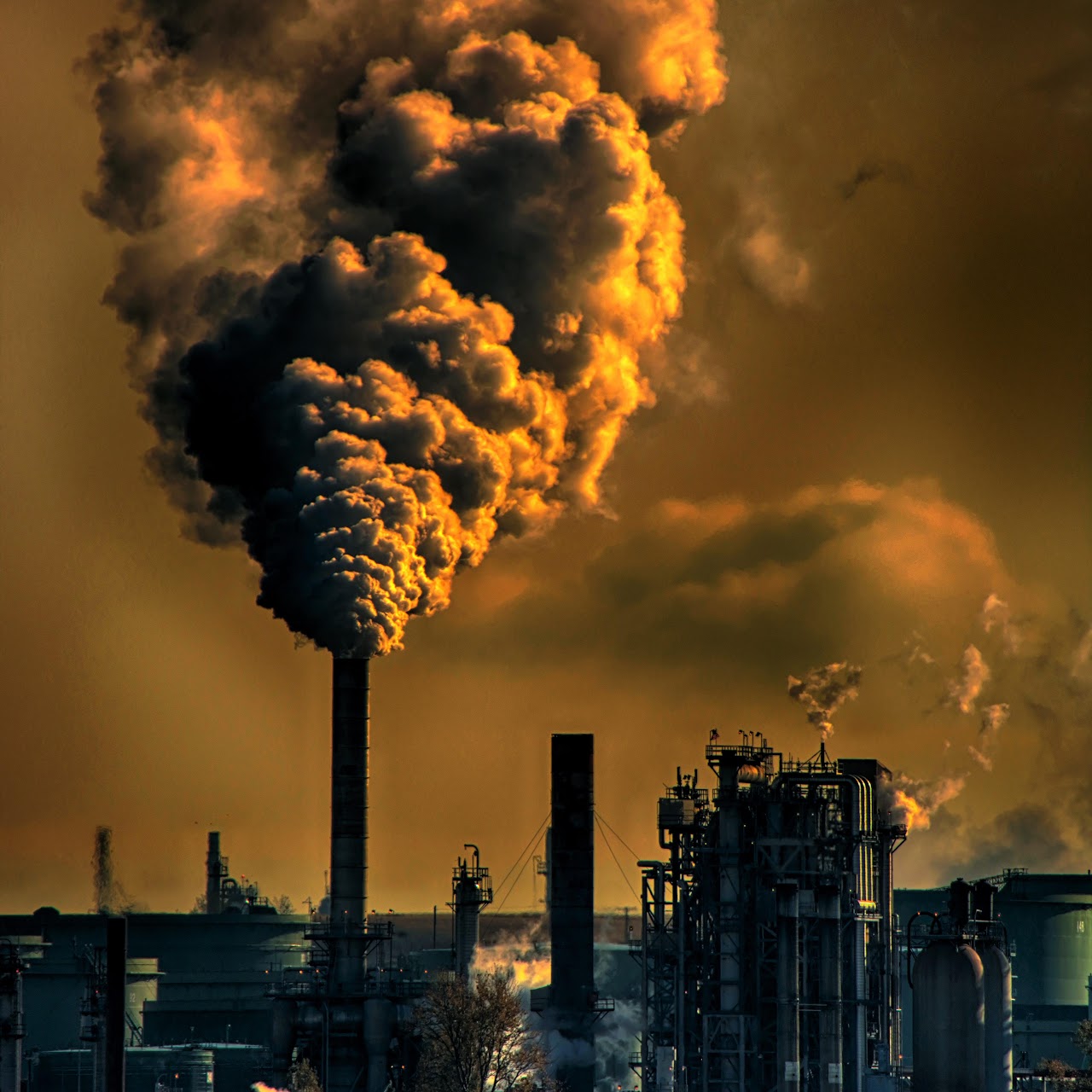
Environmental economics examines how environmental conditions and public policy shape human behavior, economic activity, and quality of life. Issues such as air pollution, climate variability, and sustainable transportation increasingly affect public health, urban living, and long-term environmental sustainability.
This research agenda studies how environmental factors influence economic decisions and daily behavior, with a focus on policy-relevant challenges related to sustainability and urban development. Current research examines how temperature and air quality affect transportation choices and the use of bike-sharing systems in urban environments.
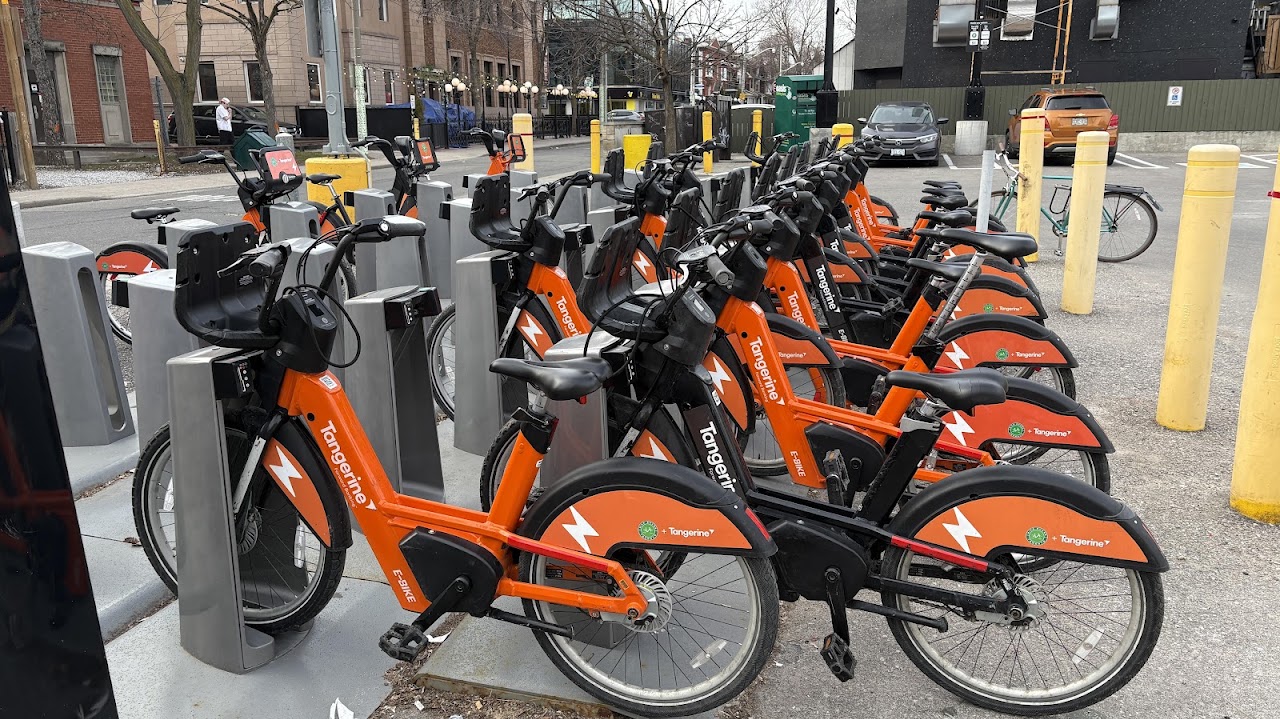
Air Quality and Temperature Effects on Bike-Sharing Demand: Evidence from Washington, D.C.
As cities promote sustainable transportation and active mobility, understanding how environmental conditions influence transportation choices has become increasingly important. This project examines how temperature and air quality affect the demand for bike-sharing services in Washington, D.C., one of the largest urban bike-sharing systems in the United States. Using daily bike-sharing and environmental data, the research explores how weather conditions and air pollution shape ridership patterns across seasons.
UP Researchers: Mauricio Patton Escamilla, Patricio Antonio Lorenzana Márquez and Akito Kamei
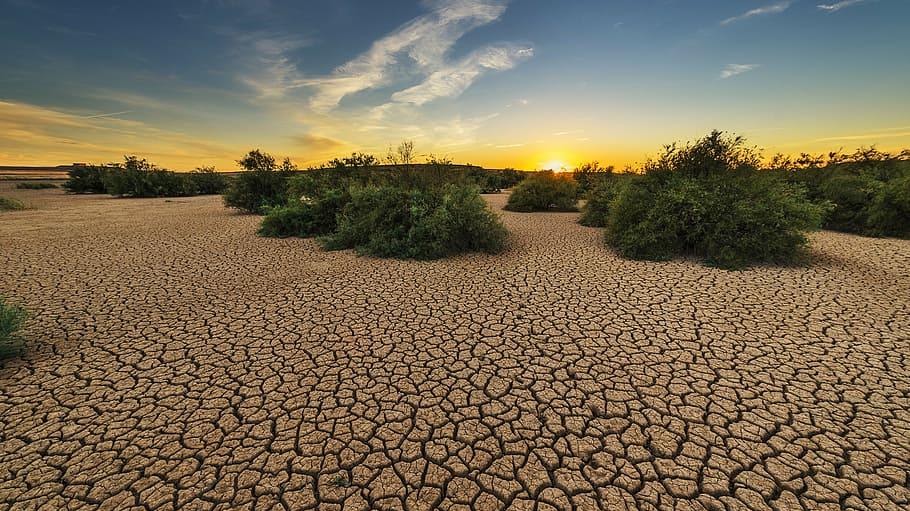
Climate change and water scarcity are increasing the burden of accessing safe water for millions of households in low-income countries. This paper examines how drought and rainfall shortages affect household water access and the daily lives of families in Uganda. Using nationally representative household data combined with satellite rainfall information, the research explores how households respond to water scarcity through changes in water collection, spending, and labor allocation. The project highlights the unequal burden of water shortages within households, particularly for women and girls, who often spend more time fetching water during drought periods.
UP Researchers: Akito Kamei
Journal Publications
No verified publications are linked to this area yet.