
People

Faculty and research professionals advancing rigorous, policy-relevant economic research.

Lead researchers

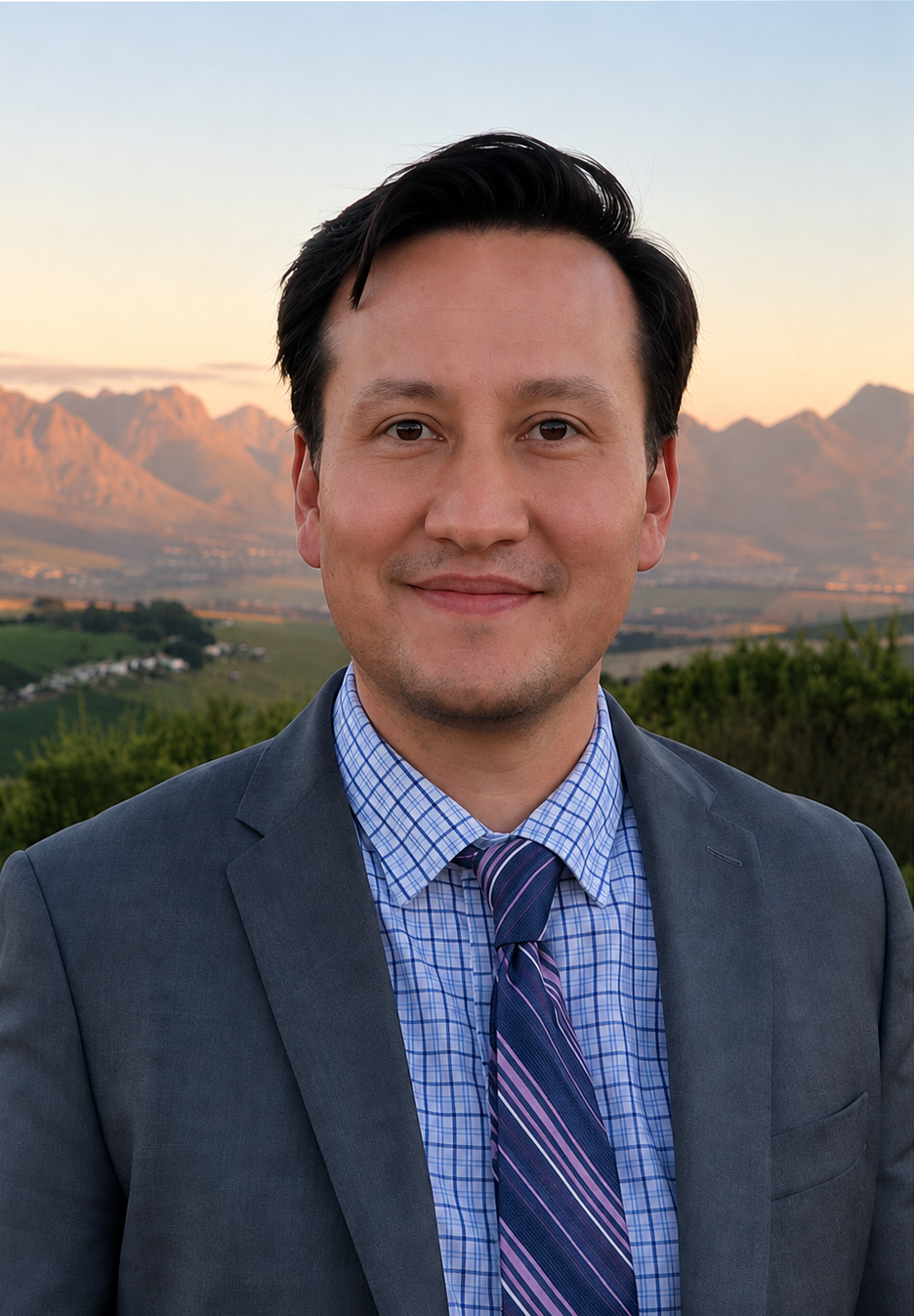
Akito Kamei

Akito’s research focuses on development economics, with particular interests in human capital investment, including health, sanitation, water, child, and education in low- and middle-income countries. His work combines rigorous empirical methods, including RCTs and large-scale administrative and survey data. He has worked with international organizations including UNICEF, the World Bank, and the Inter-American Development Bank, and served as a Postdoctoral Scholar at the Development Innovation Lab (DIL) at the University of Chicago. He serves as Secretary for Research in Economics.

Personal website ↗View publications

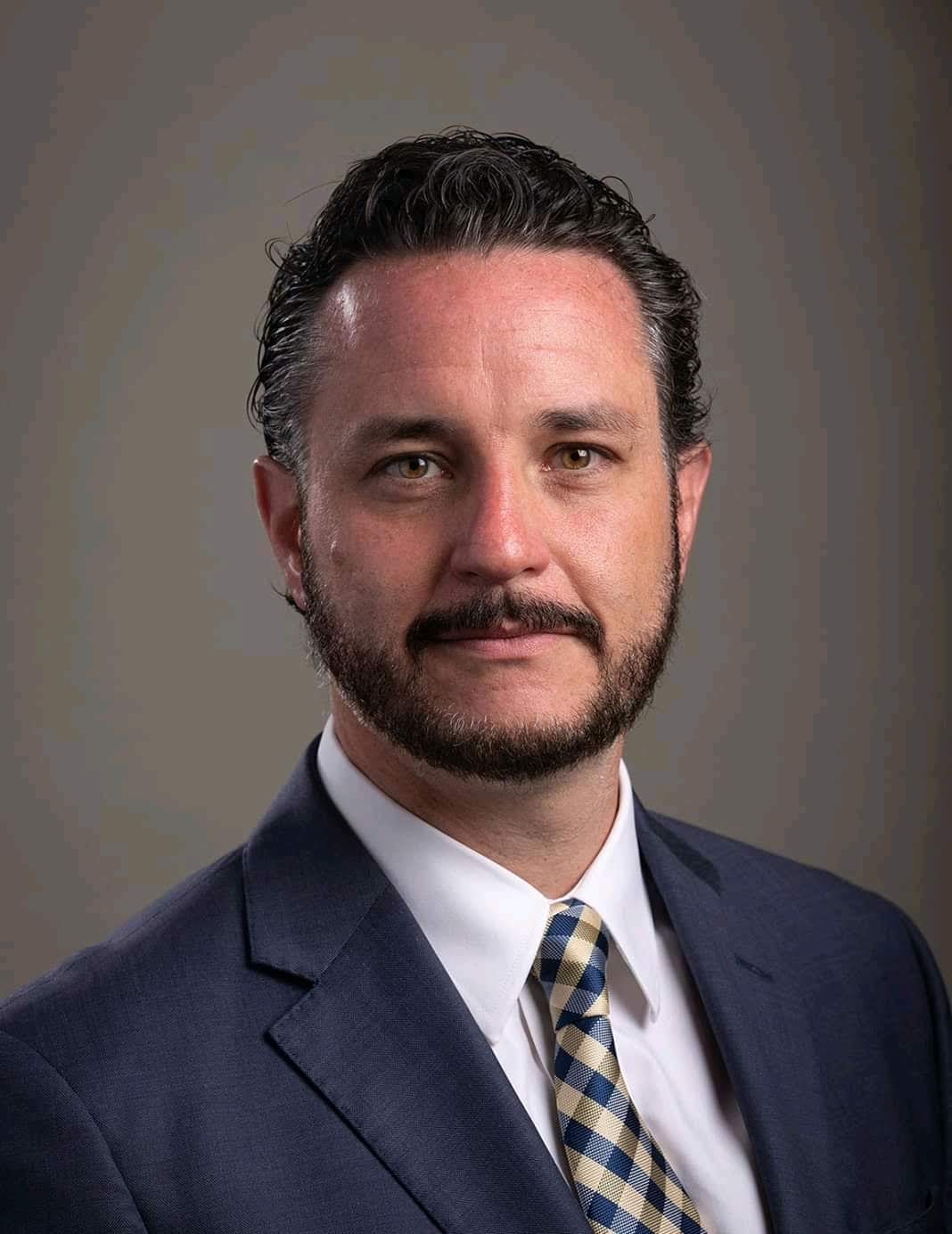
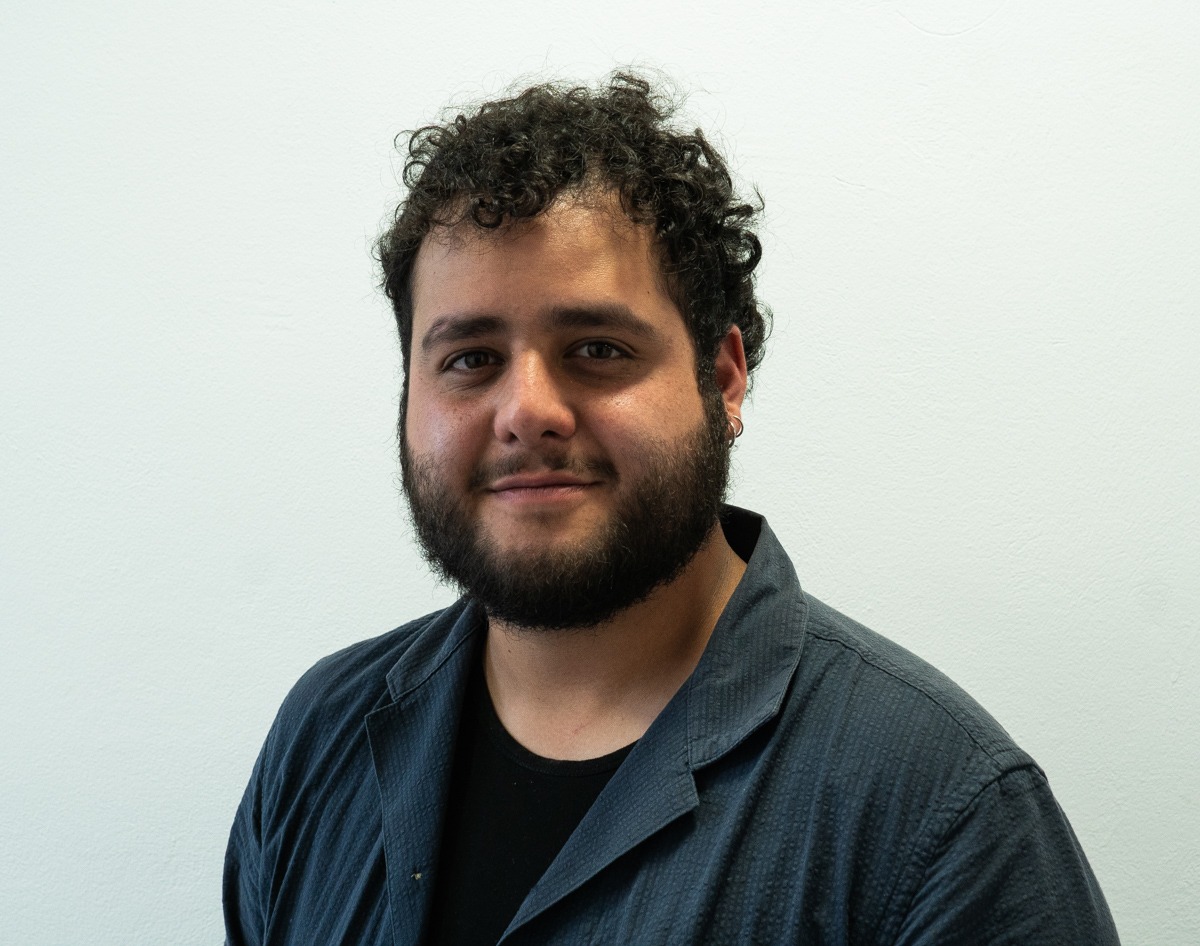
Esteban Colla

Esteban’s research focuses on political economy, institutions, and economic development, examining how governance structures, incentives, and public policy shape macroeconomic and social outcomes. His work spans topics including monetary policy committees, land tenure and agrarian investment, free trade agreements, sovereign default, natural resource governance, innovation networks, and local economic institutions, with a broader interest in how institutional design influences development, productivity, and decision-making under uncertainty.

Research profile ↗View publications

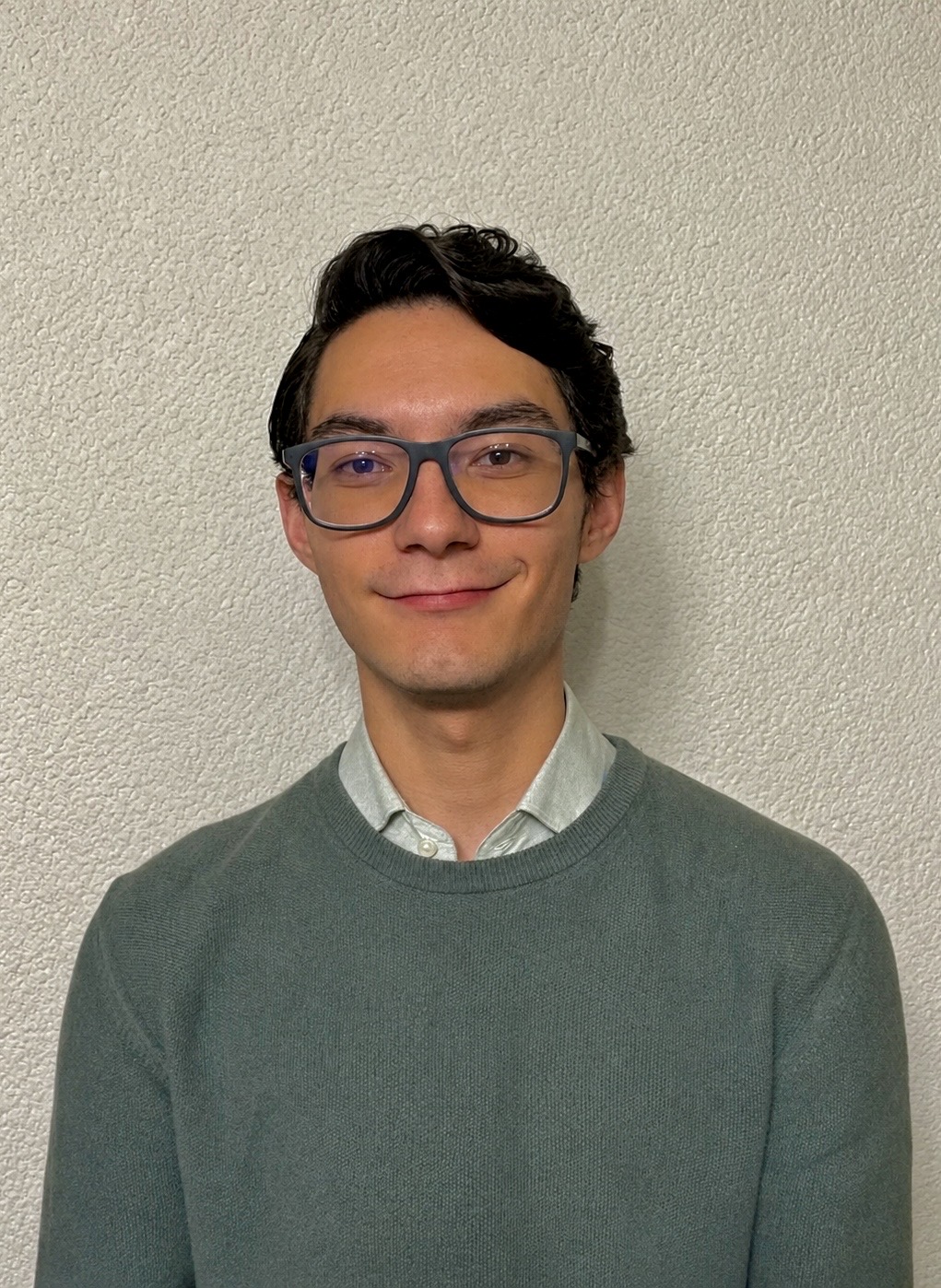
Eugenio Gómez

Eugenio's research spans digital economics and business economics, with a growing focus on the economic implications of artificial intelligence, FinTech, and technological change in Latin America. His empirical work includes field experiments using RCTs on ethics communication in organizations and gender inclusion in senior leadership, areas he developed during his tenure as Director of the Research Center on Women in Senior Management (CIMAD) at IPADE Business School.

Personal website ↗View publications

María J. Favela

Her research interests include labor economics, institutional economics, and urban development. Her background in government affairs has made her particularly attuned to public policy issues and their implications. She has experience working with labor market data from Latin America, and her graduate research has focused on disability as a determinant of labor market outcomes, with attention to heterogeneities in educational endowments across individuals. More recently, she is working on urban planning and development projects.

Arnulfo Rodríguez

Arnulfo’s research focuses on macroeconomics, monetary policy, and forecasting under uncertainty. He has applied advanced econometric methods to study public spending, inflation dynamics, and business cycles in Mexico. As Principal Economist at BBVA Mexico, he works on a wide range of topics including international trade, productivity growth, and energy transition. Arnulfo holds a Ph.D. in Economics from the University of Texas at Austin, previously worked at the Bank of Mexico, and has taught economics at CIDE and St. Edward’s University.

View publications

Sergio Rodríguez

Portrait of Sergio Rodríguez García.
Research areas

Sergio's research spans pension economics, financial economics, and economic history, with particular interests in the financial and actuarial sustainability of pension systems and the evolution of social protection institutions in Mexico. His current research examines the historical development and decline of early survivor pension institutions using historical, demographic, financial, and actuarial evidence. His broader research agenda also includes industrial organization and competition economics, particularly abuse of dominance and competition in digital markets. Sergio is a Ph.D. candidate in Economics at the University of Massachusetts Amherst.

View publications

Research professionals

Marytell Arciniega

Marytell’s research interests center on inequality, social mobility, and the role of family background in shaping economic opportunities across generations. Her work focuses on understanding how institutional and socioeconomic conditions influence intergenerational mobility and equality. She has contributed to research on government digitalization and corruption and economic growth in Mexico, and is the founder and former editor of Merkatus, the first student-led economics journal at UP.

Juan Álvaro Díaz

Juan Álvaro’s research interests span both macroeconomic and microeconomic empirical analysis, with a particular focus on econometric methods and machine learning applications in economics. His work combines causal inference, time-series analysis, and high-dimensional statistical techniques to study inflation dynamics and household behavior. He is especially interested in applying modern quantitative methods to policy-relevant questions in macroeconomics, health, and labor markets. He has led workshops on GitHub and LaTeX, supporting research collaboration, reproducibility, and scientific communication. He also helped with the launch of the center.

José M. Montoya

José Miguel's research focuses on human capital investment, with particular interest in how educational trajectories—beyond years of schooling—shape labor market opportunities. His broader interests span poverty and inequality, public policy, behavioral science, and the role of institutions in shaping social outcomes. He is the founder of the Student Research Club (CIA UP) and a co-author of applied research on corporate sustainability with Roland Berger.

Andrea Corte

Portrait of Andrea Corte Aréchiga.
Research areas

Andrea’s research interests focus on applied microeconometrics and causal mechanisms, with particular emphasis on understanding how human behavior and public policies shape economic outcomes. Her work is especially motivated by questions related to health investments, poverty, and labor markets, with the goal of designing evidence-based solutions to persistent social and economic challenges. Outside of her academic interests, she has been active in student and athletic activities, serving as Vice President of the Foráneos student association and previously as captain of her high school women’s soccer team.

Isabel Ruiz

Portrait of Isabel Ruiz.
Research areas

Isabel's research interests lie in applied empirical economics, with a particular focus on econometric methods and spatial econometrics. She explores development-related questions, including health, poverty, and inequality, and how geographic and regional dynamics shape social and economic outcomes. Her work is motivated by the goal of producing rigorous evidence that can inform the design and evaluation of public policies aimed at reducing territorial and social disparities. She co-founded the Student Research Club (CIA UP) and served as author and Editor-in-Chief of its journal, promoting student research and scientific communication.

Joshua M. Torres

Joshua’s research interests lie in applied econometrics and quantitative data analysis, with a focus on understanding how economic incentives and risk shape individual and social outcomes. His current work uses municipal-level data from Mexico to examine socio-economic determinants of violence in Mexico. More broadly, he is interested in applying econometric and predictive methods to study risk and decision-making in complex systems. He has participated in the IMC Prosperity Algorithmic Trading Challenge, an international competition focused on algorithmic trading, statistical modeling, and market analysis. Beyond research, he has experience in corporate diagnostics and business analytics, applying quantitative methods to decision-making.

Luciano A. Quintana

Luciano’s research interests focus on poverty, economic development, and human capital, with particular attention to how education, health, and public policy can expand economic opportunities and reduce inequality. His current work examines the relationship between child labor and health outcomes in Mexico, exploring how hazardous working conditions affect children’s well-being. He has also participated in research projects analyzing the National Care System and its implications for poverty reduction. As a member of the Student Research Club (CIA UP), he actively engages in applied research and quantitative analysis aimed at informing evidence-based policymaking. Outside academia, he enjoys cooking.

Patricio Lorenzana

Patricio's research interests include financial economics, banking, macroeconomics, and applied data analysis. He has gained experience in financial analysis through internships at GBM and Santander México, where he has worked with financial-sector data, competitor analysis, and banking products. He is particularly interested in applying economic and quantitative tools to better understand financial markets and financial institutions. His broader interest in applied empirical analysis has also led him to work on research examining the effects of environmental conditions on bike-sharing demand through the UP Economics Research Center.

Research affiliates

Joy Dada

Portrait of Joy Dada.
Research areas

PhD student in Health Economics and Policy in the Department of Health Policy and Management at the Johns Hopkins Bloomberg School of Public Health. Her project with the Center examines glasses use among public primary school children in Mexico.

Personal website ↗