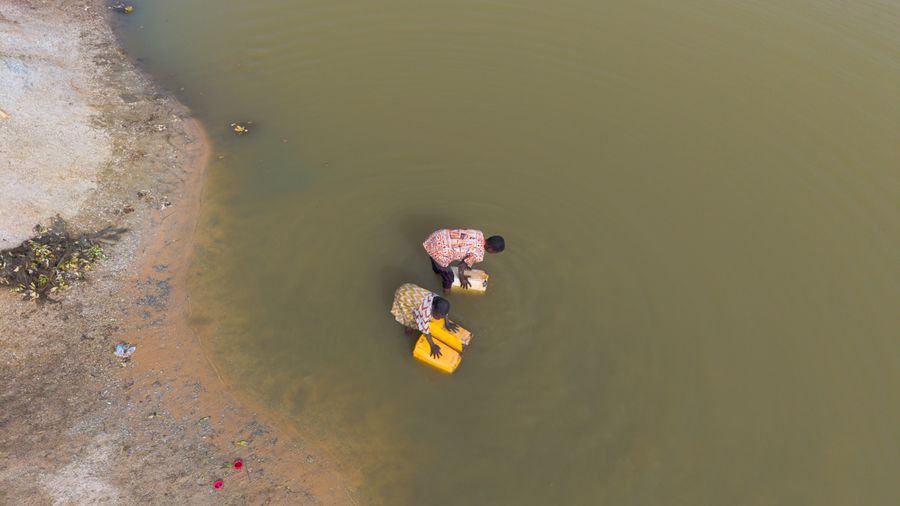
Health is a fundamental component of human well-being and economic development, yet millions of people around the world continue to face preventable health risks linked to poverty, inadequate infrastructure, and limited access to essential services. Unsafe water, inadequate sanitation, poor hygiene, and malnutrition remain major contributors to disease, mortality, and long-term deficits in human capital, particularly in low- and middle-income countries, while obesity and diet-related chronic diseases have become growing public health challenges in advanced economies.
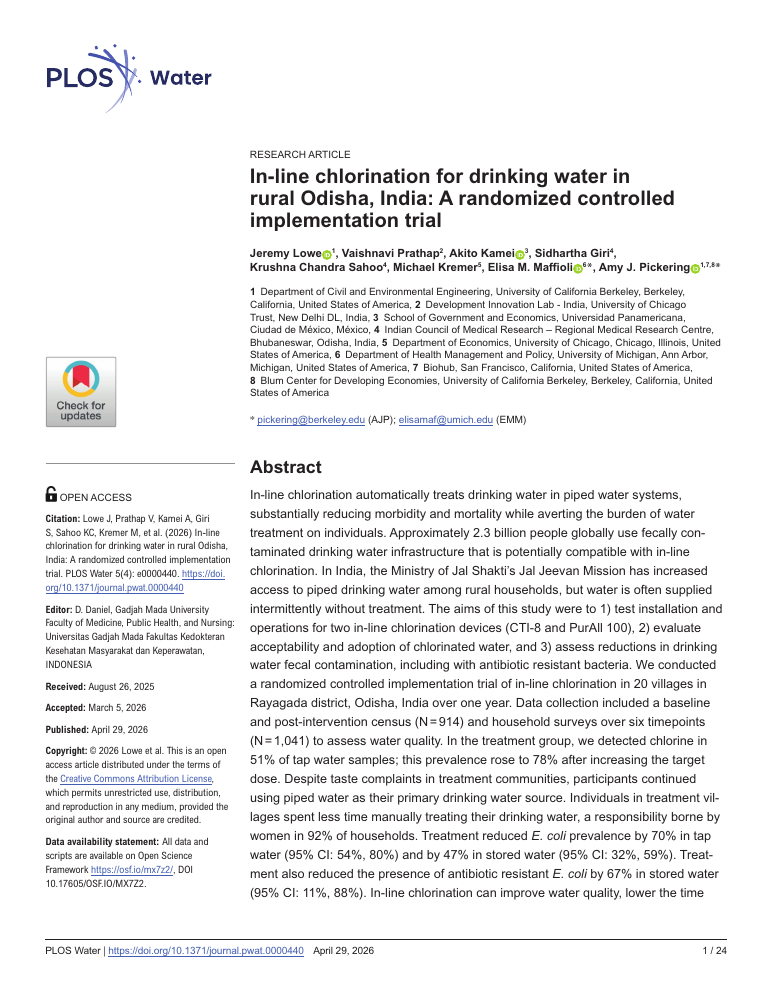
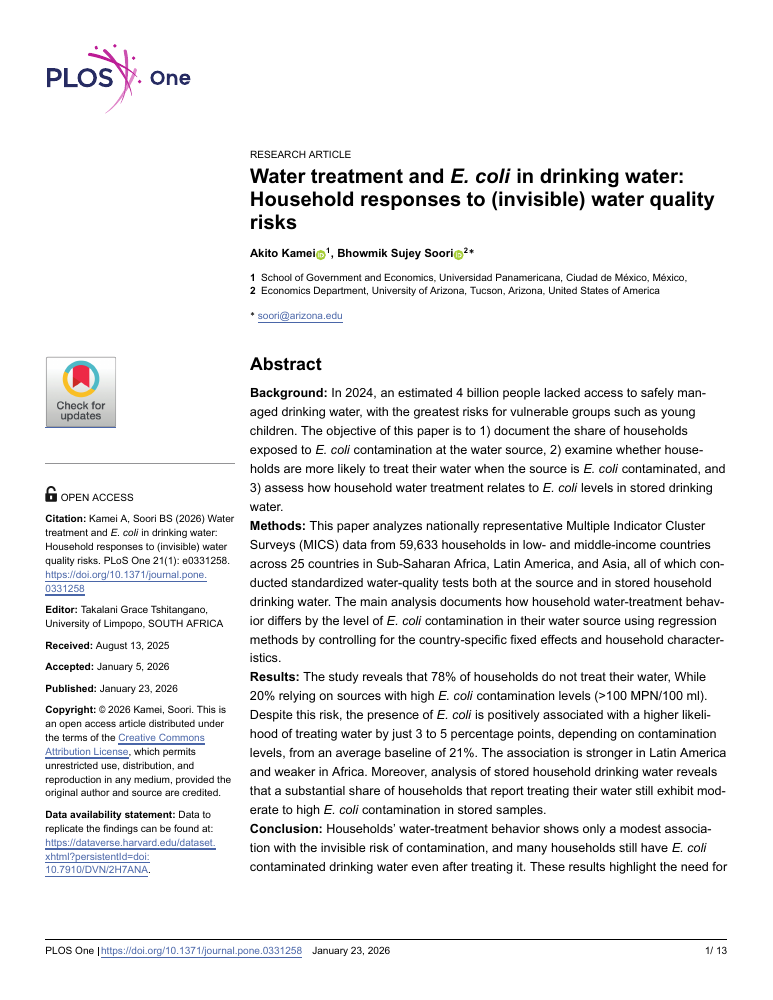
This research agenda in health economics examines how environmental conditions, household behavior, and public health interventions influence health outcomes and economic well-being. Current research is organized around two main strands: Water and Sanitation, which focuses on water treatment interventions and household responses to water quality risks, and Nutritional Health, which examines nutrition, food environments, and their implications for health, productivity, and human development.